
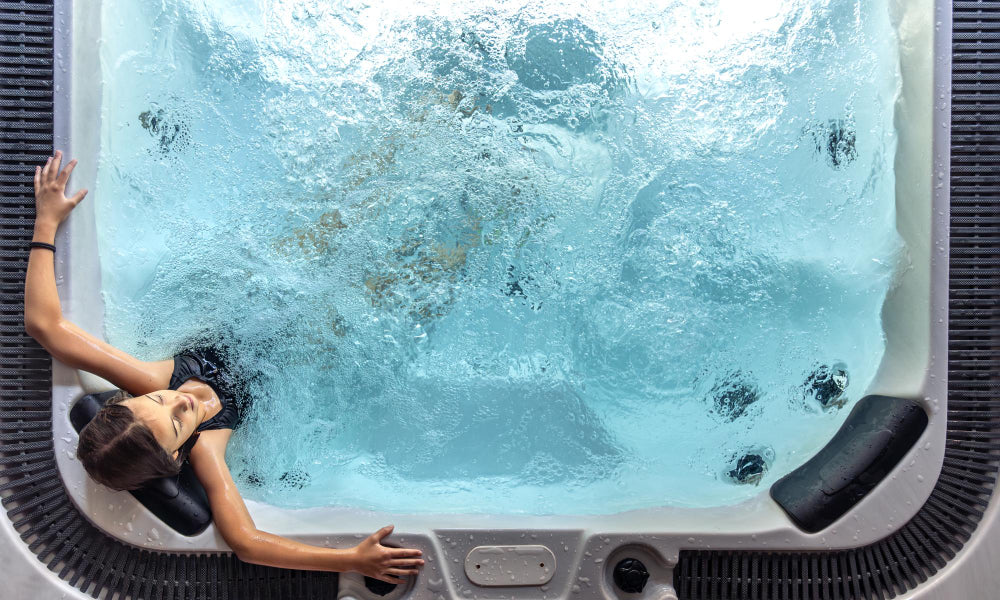
Knowing when to drain hot tub water depends on what the water is actually telling you, not how many weeks have passed since your last fill. Cloudy water, strong odors, sanitizer that won't stabilize, skin irritation, and stubborn foam are the five clearest warning signs. Catching them early protects your equipment and keeps every soak comfortable.
What Determines When to Drain Hot Tub Water?
Hot tub water breaks down gradually as body oils, lotions, sweat, and environmental debris build up between fills. Once total dissolved solids (TDS) climb too high, sanitizer can no longer work efficiently no matter how much you add. The clearest way to know when to drain hot tub water is to watch for physical and chemical signs rather than follow a rigid calendar.
1. Cloudy or Hazy Water That Won't Clear
Water that remains cloudy after balancing the chemicals and running the filter cartridge is one of the strongest signs that your water has reached its limit. Cloudiness usually points to a buildup of organic waste, minerals, or biofilm that filtration alone can no longer remove.
If you have already checked and adjusted the pH balance and total alkalinity, and the water is still hazy after a full filter cycle, then chemical treatment is no longer effective. A fresh drain and refill resets the water chemistry to a clean baseline, rather than layering more product onto water that is already saturated.
2. Water Has a Strong or Unpleasant Odor
Clean, properly sanitized spa water should have little to no smell. A sharp chemical odor, a musty smell, or anything resembling body odor coming from the water usually signals that sanitizer levels are being overwhelmed by organic waste rather than actually disinfecting the water.
This is different from a strong chlorine smell right after shocking, which typically fades within hours. A persistent odor that returns even after balancing chemicals is a sign the water itself needs to be replaced, not just treated again.
3. Sanitizer Levels Won't Stabilize
If you add chlorine or bromine and the reading drops again within a day or two, the sanitizer is being consumed by contaminants instead of protecting the water. This pattern often appears alongside rising TDS readings on water testing strips, indicating that the water has absorbed more waste than it can process.
Continuing to add sanitizer at this point becomes expensive and largely ineffective. Draining and refilling gives the sanitizer a clean starting point, allowing it to maintain a stable reading.
4. Skin or Eye Irritation After Soaking
Itchy skin, red eyes, or a tight, dry feeling after a soak can point to water chemistry that has become unbalanced due to accumulated waste. While irritation can sometimes stem from a temporary pH or alkalinity swing, irritation that continues even after correcting those levels suggests the underlying water quality has declined.
Body oils, lotions, and cosmetic residue break down slowly and are difficult to remove through filtration alone. Once these residues accumulate to the point where they affect comfort, a full drain addresses the problem at its source.
5. Excessive Foam That Keeps Coming Back
Some foam is normal, especially after jets run for the first time in a session. Foam that builds up repeatedly, sits on the surface for extended periods, or returns shortly after being skimmed off is different.
Persistent foaming often comes from a mix of foaming agents in lotions, detergent residue from swimwear, and general organic buildup in the water. Anti-foam products can mask the issue temporarily, but they do not remove the underlying cause. If foam keeps returning despite cleaning and balancing, it is a reliable signal that the water has reached the end of its usable life.
How These Signs Work Together
Any one of these signs on its own can sometimes be corrected with adjustments to spa chemicals or a filter cleaning. When two or more show up together, such as cloudy water paired with unstable sanitizer readings, that combination is a stronger indicator that the water itself is the problem rather than the balancing routine.
Checking water with water testing strips regularly makes these signs easier to catch early, before they affect comfort or equipment. Consistent testing, paired with routine filter cartridge maintenance and a well-fitted hot tub cover, extends the time between drains and keeps ongoing hot tub maintenance simpler overall.
Conclusion
Watching for cloudy water, odor, unstable sanitizer levels, skin irritation, and persistent foam gives you a practical, evidence-based way to know when to drain your hot tub water instead of guessing. Each sign points to the same underlying issue: the water has absorbed more waste than it can safely hold, and fresh water, paired with properly balanced spa chemicals, is the most reliable fix. For water testing supplies, sanitizers, and filter replacements to help you stay ahead of these signs, Hot Tub Pirate carries the products needed to keep your spa water clean between drains.
FAQs
What are the signs my hot tub water needs to be drained?
The main signs are cloudy water, a strong or lingering odor, sanitizer readings that won't hold steady, skin or eye irritation after soaking, and foam that keeps returning after cleaning. When two or more of these appear together, it usually means the water has absorbed more waste than balancing chemicals can correct.
How often should I drain and refill my hot tub?
Most hot tub owners drain and refill every three to four months, though usage frequency, bather load, and water testing results affect the exact timing. Watching for physical and chemical warning signs is more reliable than relying on a fixed schedule alone.
Why does my hot tub water smell even after adding chlorine?
A lingering odor after treatment usually means organic waste in the water is consuming sanitizer faster than it can disinfect. If the smell persists after balancing chemicals and running the filter, it typically signals that the water needs to be replaced rather than treated again.
Can cloudy hot tub water be fixed without draining?
Mild cloudiness can sometimes clear up after adjusting pH and alkalinity and running the filter cartridge through a full cycle. If the water remains hazy after those steps, the cloudiness usually indicates a buildup that filtration alone cannot remove.
Is foamy hot tub water a sign of bad water chemistry?
Occasional light foam after jets run is normal, but foam that returns repeatedly or lingers on the surface usually signals a buildup of lotions, detergent residue, or organic waste. Anti-foam products offer a temporary fix, while a drain-and-refill addresses the underlying cause.